
By Rev. Will Nicholas – Minister, St David’s Uniting Church, Geelong
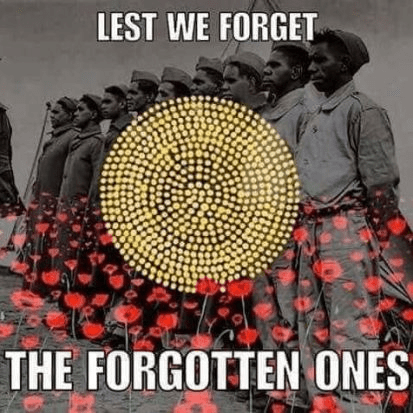
This past Anzac Day, during the solemn moments of dawn, something unexpected happened.
A “Welcome to Country” was offered — as it rightly should be — honouring the unbroken connection of First Peoples to this land. But instead of silence or gratitude, there came boos. Jeers. A rupture in the ritual.
To some, this was a backlash against “wokeness.” To others, it was a heartbreaking moment that exposed a wound still bleeding beneath the surface of our national identity.
And it was that image — a wound exposed — that stayed with me.
A Wounded Jesus, A Doubting Disciple

In our church this week, we reflect on the story of Thomas, the disciple who refused to believe in the resurrection unless he saw and touched the wounds of Jesus himself. Not scars — wounds. Still open. Still real.
In that moment of doubt, Jesus doesn’t scold.
He doesn’t shut the door or draw a line.
Instead, he opens his hands.
He says, “Touch them. Believe.”
That’s the moment I think we’re in as a country.
A moment where we must choose:
Will we touch the wounds — or turn away?
The Land Remembers
Here at St David’s, we’re honoured to share sacred space with The Geelong College, gathering each week in their chapel — a space filled with stories both joyful and painful.
This chapel has seen music and prayer.
It has also witnessed harm.
It holds both heritage and healing.
We do not gather here as owners, but as guests —
Guests in a building shared,
Guests on land still held in trust by the Wadawurrung people.
Every Sunday, we are reminded that faith doesn’t ask us to forget history. It invites us to walk through it with eyes open, hands outstretched, and hearts ready to listen.
What Are We Really Inheriting?
Anzac Day should stir us. Not just to pride, but to reflection.
Did our forebears fight for us to cling tightly to what we think is ours?
Or did they lay down their lives hoping we’d be courageous enough to share it?
The land we live on.
The freedoms we enjoy.
The faith we profess.
All of it is an inheritance, yes —
but in the way Scripture always speaks of inheritance:
As a call, not a trophy.
As a responsibility, not a possession.
What If Jesus Was Aboriginal?

To bring it home, I want to share an image we reflected on in worship:
An Aboriginal Jesus — skin dark like the land, robes patterned with dot-paint designs, hands outstretched with wounds visible — showing Thomas the way to believe.
What if Jesus was Aboriginal?
It’s not just symbolic. It’s deeply theological.
Because in Christ, we see God choosing to be born into the margins, into a people often dismissed, disrespected, and crucified by empire.
This Jesus isn’t just for one people.
But he does stand with those who’ve been displaced, dispossessed, and disbelieved.
And he says to all of us — First Peoples and settlers, the faithful and the doubting:
“Peace be with you.
Come, touch the wounds.
Believe — and build a future together.”
Where We Go From Here
At St David’s, we are committed to listening, learning, and living out a gospel that heals.
- We acknowledge the sovereign custodians of this land.
- We honour the sacrifice of Anzacs without turning remembrance into exclusion.
- We worship in shared space as a visible sign of the Kingdom Jesus envisioned: not owned, but open.
If you’re wondering where to stand in this fractured moment —
You’re not alone.
But maybe, like Thomas, it starts with a step closer.
With a hand reaching out.
With a willingness to see that wounded hands can still offer peace.
 St Davids Newtown Uniting