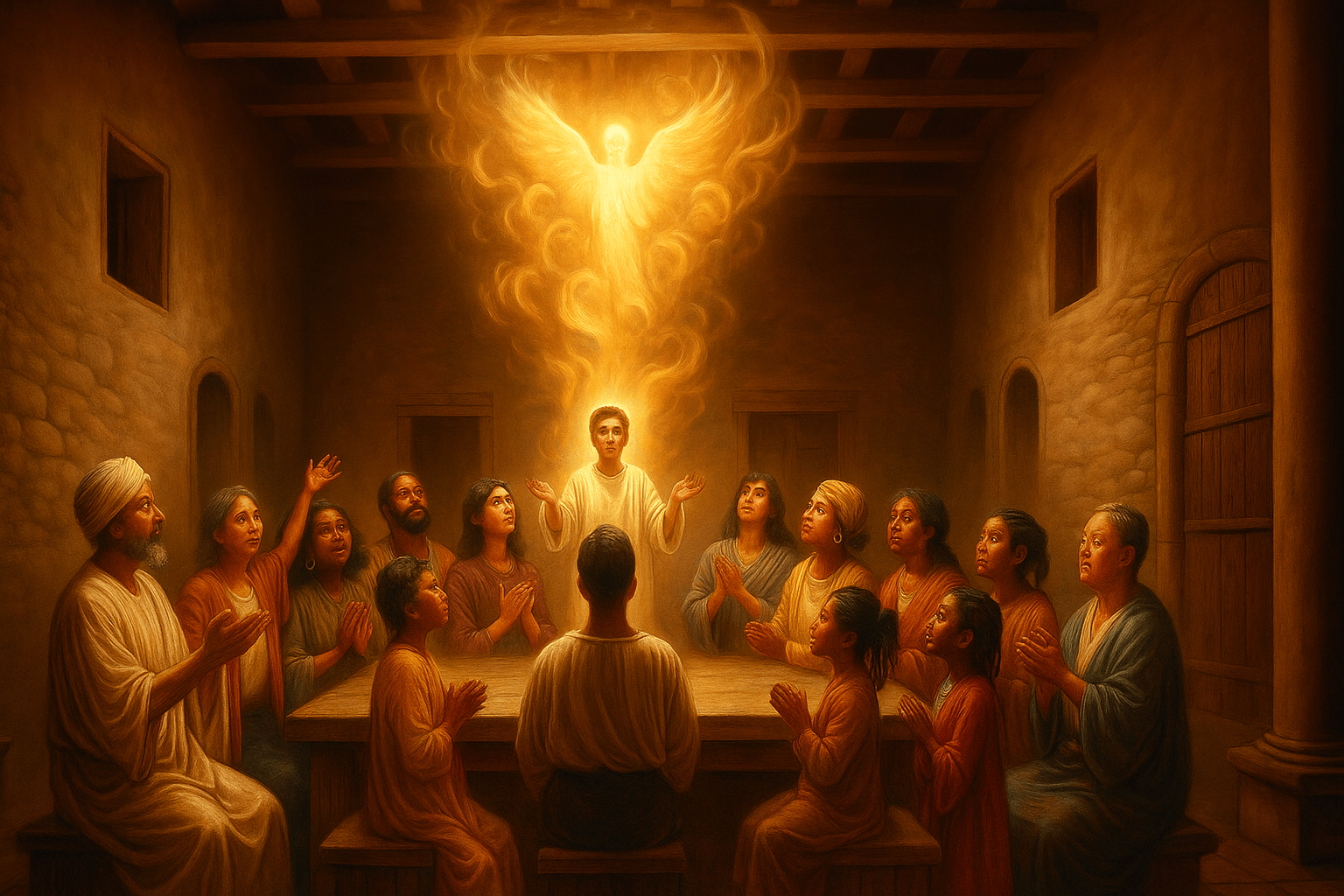
“Spirit‑for‑All: Living Out Joel 2 in Our Day”

In this past Sunday’s service, we turned our attention to the prophetic word of Joel 2: “Then afterward I will pour out my Spirit on all flesh; your sons and your daughters shall prophesy…” (Joel 2:28). We were reminded that the promise of the Spirit is not reserved for a select few—but for all people.

And recalled the Pentecost service back in June, where we gathered as the combined Uniting Churches of Geelong, If you missed the livestream or would like to revisit the message, the podcast of the service is available to listen here: “Pentecost Service June 2025 – SonderVerse”

As a church, we are at a moment of renewal. We are called out of drought and silence, into the flow of the Spirit. The drought in Joel’s day—the locusts, the famine, the disaster—becomes for us a frame for what might be next. That is, we are a church taking the promise seriously: that our ministries, our gatherings, our digital presence, our outreach to schools and libraries—all of it—is part of the great work of the Spirit being poured out.

So what does this look like in practical, grounded action?

  • We embody the vision that “all flesh” includes young and old, women and men, people of many cultures, people on the margins. It means listening when we might have ignored. It means inviting new voices when we might have assumed old ways.
  • We engage the four strategic goals of the Faithful Futures Project (coordinated ministry, respecting Country, intercultural leadership, all‑age growth) not as optional add‑ons, but as rhythms of the Spirit in action.
  • We act locally and visibly: in our school chaplaincy, in the library table groups, in the university café conversations, in the livestream chat, and in the dinner table across generations.

Here is how you can join in this week:

  1. Listen to the podcast linked above. Let Joel’s promise stir you.
  2. Reflect: In your daily life—what place or person feels dry, forgotten, or overlooked? How might the Spirit be poured there?
  3. Act: Choose one concrete step this week:
    • Invite someone under‑represented in church to share their story.
    • Volunteer once in one of our Third Space ministries (school, library, digital).
    • Bring fresh leadership or idea to a meeting: “What’s one vision we haven’t yet asked the Spirit about?”
  4. Share: On our Facebook page or via the Growing Page comments, post this prompt: “This week I will let the Spirit pour out by …” and include one action step. Let others see the movement.

As we move deeper into the season ahead, let us remember: this is not a survival strategy—but a resurrection move. The Spirit still breathes. The fire still burns. Not for destruction—but for renewal.

Let us walk together, as First and Second Peoples, seeking community, compassion, and justice for all creation.


💬 Where Is God When It Hurts?

A Beginner’s Guide to Theodicy, the Good Samaritan, and Filthy Hope

Last Sunday at St David’s, we looked again at the familiar story of the Good Samaritan — a tale where compassion crosses boundaries and love becomes action. It’s a parable that doesn’t just tell us what to believe, but shows us how to live.

Aploligies to any Collingwood supporters for the illustration, you could playfully insert any rivalry here!

But there’s a deeper question many of us quietly ask when we read stories like this. Why was there a man beaten on the road in the first place? If God is good, why was there violence, pain, and people who walked by?

This is the heart of a big theological idea called theodicy — a word that simply means “God’s justice.” It’s how we wrestle with this central tension:

If God is all-loving, and God is all-powerful, why is there so much suffering in the world?


🧠 So What Is Theodicy?

Theodicy is theology’s way of asking, “Where is God in all of this?” It’s the name we give to our heartbreak and our hope, our doubt and our faith, when life falls apart or the world feels unjust.

  • Why do innocent people suffer?
  • Why doesn’t God stop it?
  • Does God even care?

These aren’t just abstract questions — they’re real and raw, the kind you feel in hospital rooms, refugee camps, and lonely prayers.


🎧 What Filthy Hope Had to Say

In episode #161 of the Filthy Hope podcast, the team tackles this exact question. They don’t offer cheap answers. Instead, they point to a Jesus who doesn’t stay distant, but steps into the mess with us. A Christ who bleeds. A Spirit who groans. A God who is with us, not above us.

One of the standout lines from the episode was:

“Maybe hope isn’t about escaping suffering, but refusing to let suffering have the last word.”

That’s a very Good Samaritan kind of theology.


🛣️ A Roadside Theodicy

Back to the parable.

The priest and Levite walk past — maybe because they’ve worked out a clean, tidy theodicy: “He must have deserved it,” or “It’s not my problem.” But Jesus celebrates the one who doesn’t try to explain the suffering — the Samaritan just responds to it.

And maybe that’s the best kind of theodicy for beginners (and pros): not the one that explains pain, but the one that refuses to ignore it.


🌻 So Where Is God When It Hurts?

Not just in heaven. Not watching from afar.
God is:

  • with the bleeding man on the side of the road,
  • in the tears of the helpers,
  • and in the hands of those who show up.

Theodicy doesn’t always give us answers. But it can point us toward compassion, action, and a God who suffers with us.


🪔 Keep Asking, Keep Loving

At St David’s, we believe asking hard questions is holy work. That wrestling with faith doesn’t mean you’re losing it — it means you’re living it.

So if you’re asking “Where is God in this mess?”, you’re in good company — with the prophets, the podcast hosts, and a certain man from Samaria who just wouldn’t walk by.

Let’s not walk by either.

Touching the Wounds: ANZAC, Faith, and a Shared Future

By Rev. Will Nicholas – Minister, St David’s Uniting Church, Geelong

This past Anzac Day, during the solemn moments of dawn, something unexpected happened.

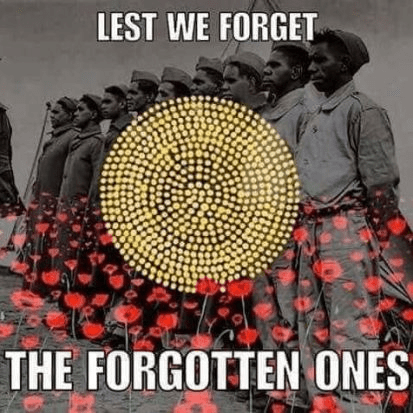
A “Welcome to Country” was offered — as it rightly should be — honouring the unbroken connection of First Peoples to this land. But instead of silence or gratitude, there came boos. Jeers. A rupture in the ritual.

To some, this was a backlash against “wokeness.” To others, it was a heartbreaking moment that exposed a wound still bleeding beneath the surface of our national identity.

And it was that image — a wound exposed — that stayed with me.


A Wounded Jesus, A Doubting Disciple

In our church this week, we reflect on the story of Thomas, the disciple who refused to believe in the resurrection unless he saw and touched the wounds of Jesus himself. Not scars — wounds. Still open. Still real.

In that moment of doubt, Jesus doesn’t scold.
He doesn’t shut the door or draw a line.

Instead, he opens his hands.
He says, “Touch them. Believe.”

That’s the moment I think we’re in as a country.
A moment where we must choose:
Will we touch the wounds — or turn away?


The Land Remembers

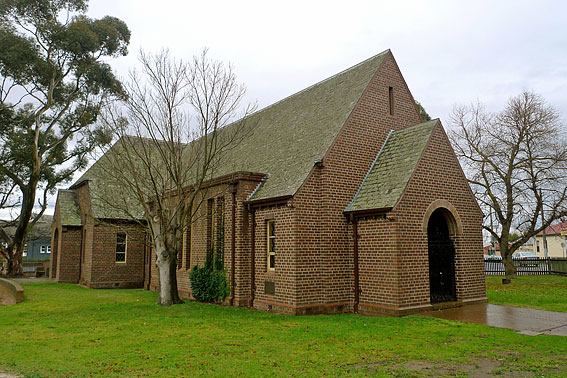
Here at St David’s, we’re honoured to share sacred space with The Geelong College, gathering each week in their chapel — a space filled with stories both joyful and painful.

This chapel has seen music and prayer.
It has also witnessed harm.
It holds both heritage and healing.

We do not gather here as owners, but as guests
Guests in a building shared,
Guests on land still held in trust by the Wadawurrung people.

Every Sunday, we are reminded that faith doesn’t ask us to forget history. It invites us to walk through it with eyes open, hands outstretched, and hearts ready to listen.


What Are We Really Inheriting?

Anzac Day should stir us. Not just to pride, but to reflection.

Did our forebears fight for us to cling tightly to what we think is ours?
Or did they lay down their lives hoping we’d be courageous enough to share it?

The land we live on.
The freedoms we enjoy.
The faith we profess.

All of it is an inheritance, yes —
but in the way Scripture always speaks of inheritance:
As a call, not a trophy.
As a responsibility, not a possession.


What If Jesus Was Aboriginal?

To bring it home, I want to share an image we reflected on in worship:
An Aboriginal Jesus — skin dark like the land, robes patterned with dot-paint designs, hands outstretched with wounds visible — showing Thomas the way to believe.

What if Jesus was Aboriginal?

It’s not just symbolic. It’s deeply theological.
Because in Christ, we see God choosing to be born into the margins, into a people often dismissed, disrespected, and crucified by empire.

This Jesus isn’t just for one people.
But he does stand with those who’ve been displaced, dispossessed, and disbelieved.

And he says to all of us — First Peoples and settlers, the faithful and the doubting:

“Peace be with you.
Come, touch the wounds.
Believe — and build a future together.”


Where We Go From Here

At St David’s, we are committed to listening, learning, and living out a gospel that heals.

  • We acknowledge the sovereign custodians of this land.
  • We honour the sacrifice of Anzacs without turning remembrance into exclusion.
  • We worship in shared space as a visible sign of the Kingdom Jesus envisioned: not owned, but open.

If you’re wondering where to stand in this fractured moment —
You’re not alone.

But maybe, like Thomas, it starts with a step closer.
With a hand reaching out.
With a willingness to see that wounded hands can still offer peace.

From the Upper Room to the Dome: A Journey of Spirit and Unity

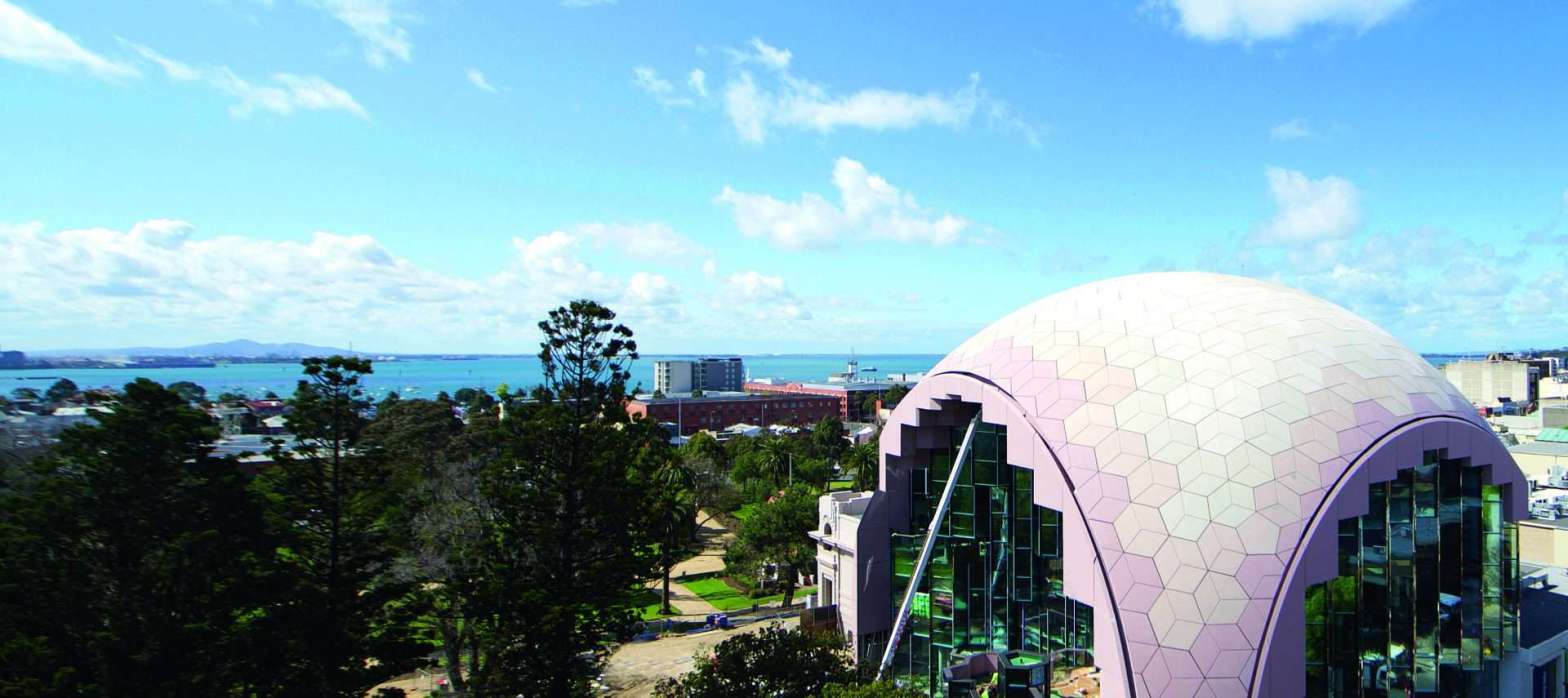
In the city of Geelong, the Dome on Level 5 of the Geelong Library stood tall and serene, its panoramic windows inviting the morning light to dance upon its crimson ochre floors.

This year, it would bear witness to a celebration unlike any other—a combined Pentecost service uniting diverse congregations under one roof, mirroring an ancient gathering that once took place in a humble upper room in Jerusalem long ago.

A Sacred Echo Across Millennia

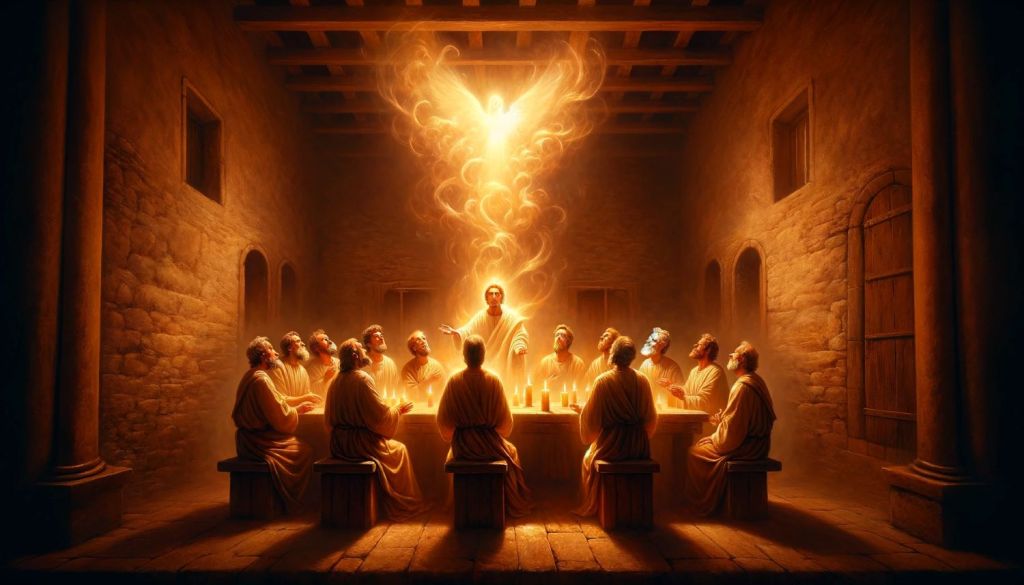
Over two millennia ago, in Jerusalem, an upper room became the cradle of a momentous event. It was Pentecost, and the disciples of Jesus had gathered, their hearts heavy with anticipation and hope. They were a diverse group, united by their faith and love for their teacher. As they prayed and waited, a mighty wind swept through the room, and tongues of fire appeared, resting on each of them. Filled with the Holy Spirit, they began to speak in different languages, proclaiming the wonders of God. This was the birth of the church, a powerful testament to the unifying and transformative power of the Holy Spirit.

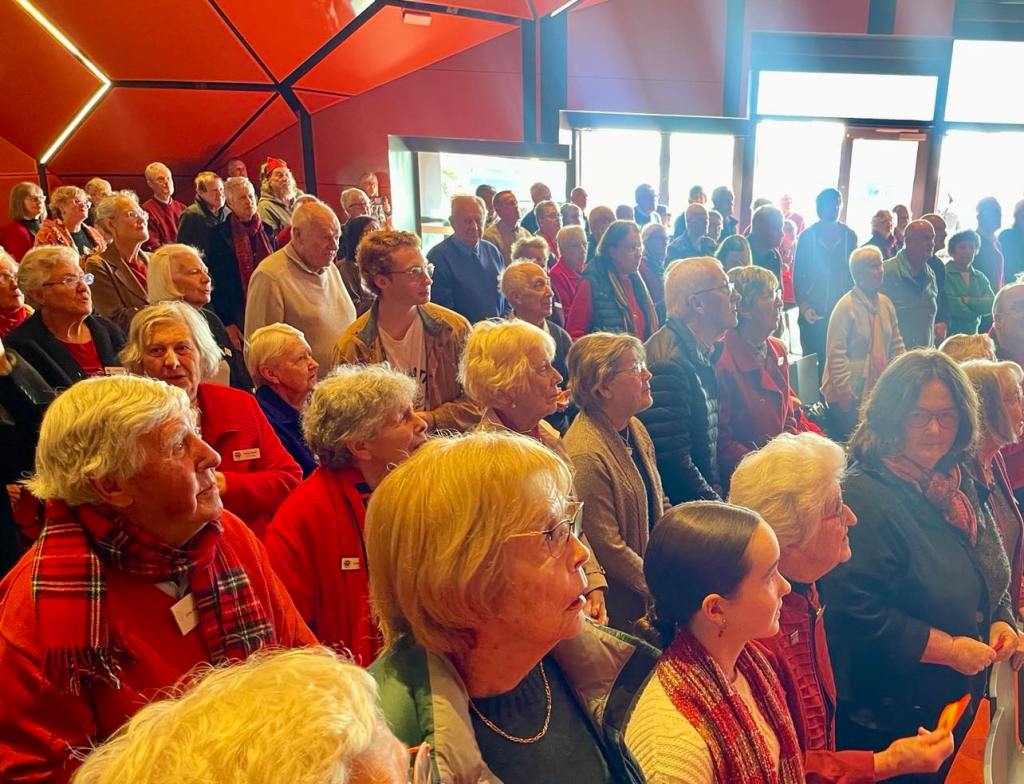
Fast forward to the present, and the Dome in Geelong echoed with the same anticipation and hope. The walls, now adorned with Banners from each congregation, seemed to whisper the story of that first Pentecost. The people gathered here were just as diverse as those early disciples, coming together with a shared purpose: to celebrate the Holy Spirit and the theme of Sophia, the feminine wisdom of God.

Sophia: Wisdom of the Holy Spirit

The theme for this year’s service is “Sophia: Wisdom of the Holy Spirit Feminine.” Sophia, the Greek word for wisdom, is often personified as a feminine figure in Christian theology, representing the divine wisdom and the nurturing aspects of the Holy Spirit. This theme seeks to highlight the often overlooked feminine aspects of the divine, emphasizing attributes of wisdom, compassion, and nurturing love. It is an invitation to explore a richer, more inclusive understanding of the Holy Spirit’s role in guiding and inspiring the faithful.

Three Voices, One Message

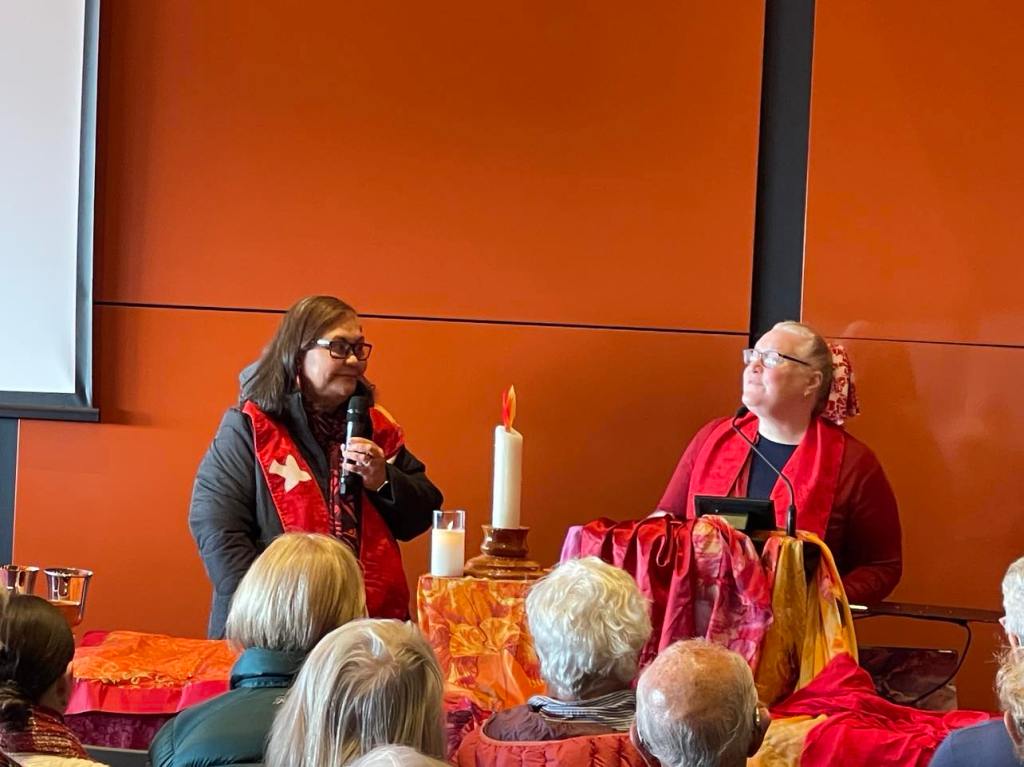
The heart of the service was a powerful message delivered by Rev. Temukisa Amituana’i-Vaeluaga and Rev. Annetia Goldsmith, their unique perspectives and insights into the theme of Sophia, weaving together a tapestry of wisdom, faith, and inspiration. Rev. Amituana’i-Vaeluaga will draw on her rich cultural heritage to speak about the nurturing and unifying aspects of the Holy Spirit. Rev. Goldsmith will explore the compassionate and guiding wisdom that Sophia offers in our daily lives.

A Uniting Celebration

The Combined Pentecost Service has always been a powerful expression of unity, bringing together congregations from different Christian traditions to worship as one body. This year’s service featured a diverse array of worship styles, music, and liturgy, reflecting the rich tapestry of Progressive Christian faith in Geelong. From the soaring hymns and contemporary worship songs to the reflective prayers and readings, the service was a space for all to connect deeply with the Holy Spirit.

A Message of Hope and Renewal

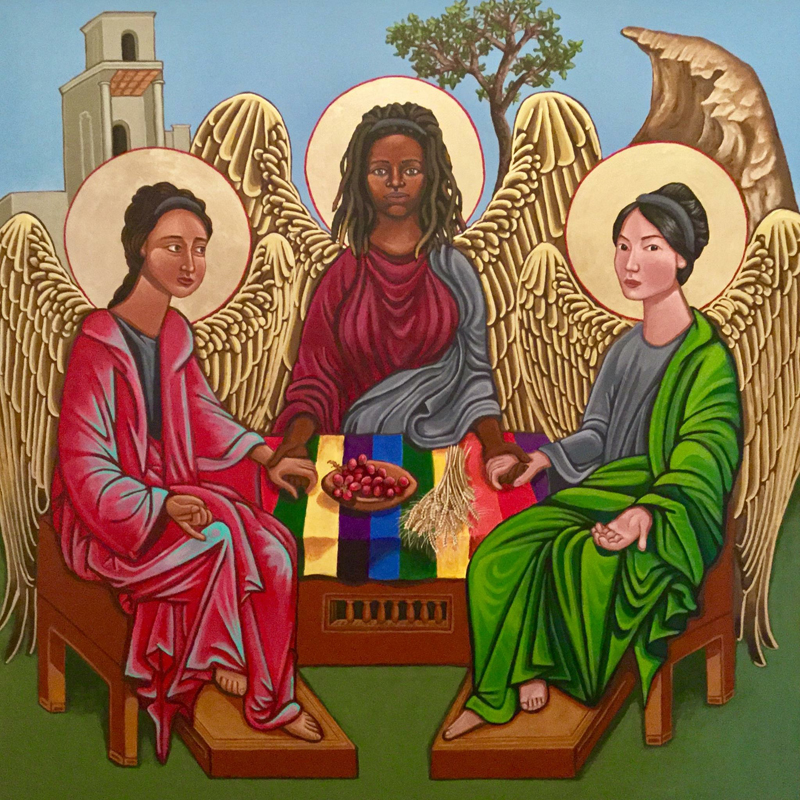
Icon ‘Trinity’ by Kelly Latimore

The central message of the service focused on renewal and empowerment through the Holy Spirit. In a world often fraught with division and uncertainty, the Pentecost celebration serves as a poignant reminder of the transformative power of faith and the shared mission of spreading love and wisdom. The invocation of Sophia as the Holy Spirit’s feminine wisdom encourages a deeper reflection on how wisdom can guide us in our daily lives, fostering understanding, compassion, and a sense of community.

Engaging the Community

Hosting the service in the Geelong Library also provided an excellent opportunity for community engagement. The public nature of the event was designed to reach out to those who might not typically attend church, inviting them to experience the joy and unity of Pentecost. The Closing words from Rev Will Nicholas urging all present to spill out into the streets of Geelong like those first Apostles so long ago and have lunch together in Spirt and Love.

Looking Forward

The gathering congregations under the Dome created a palpable sense of anticipation and hope. This Combined Pentecost Service not only celebrates the descent of the Holy Spirit but also underscores the ongoing journey of faith and unity within the Geelong community. By embracing the theme of Sophia and gathering in a public space, the churches are making a powerful statement about the inclusive and universal nature of the Gospel message.

In conclusion, the fourth Combined Pentecost Service in Geelong was a landmark event, fostering unity, wisdom, and communal faith. It is an open invitation to all to join in a celebration that transcends denominational boundaries, bringing the divine wisdom of the Holy Spirit into the heart of the community. As the Geelong Uniting churches continue in future years to celebrate Pentecost in the Dome, they do so with a renewed commitment to wisdom, unity, and love.

Here is the Link you want catch the service!

Embracing the Cross: Finding Meaning in Mark 8:31-38

Greetings, beloved community of St Davids Uniting Newtown! Today, let’s dive into the powerful and transformative message found in Mark 8:31-38, exploring its relevance in our lives and drawing connections to the tapestry of pop culture.

In Mark 8:31-38, Jesus reveals to his disciples the difficult path that lies ahead, foreshadowing his suffering, death, and resurrection. He challenges the disciples to deny themselves, take up their crosses, and follow him. This passage invites us to reflect on the nature of true discipleship and the sacrificial love demanded by Christ.

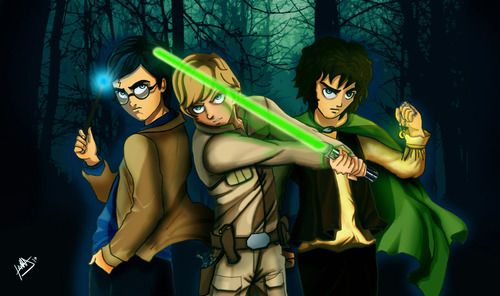
Pop culture often mirrors and interprets timeless themes found in religious texts. The journey of embracing the cross and sacrificing personal desires resonates in various forms. Consider the heroic sacrifices made by characters like Frodo Baggins in “The Lord of the Rings” or Harry Potter in J.K. Rowling’s series. Their willingness to face adversity and personal loss for the greater good echoes the call to take up our own crosses.

In the Marvel Cinematic Universe, characters like Iron Man and Captain America undergo profound transformations by making personal sacrifices for the greater good. These stories provide modern parables, illustrating the complexities of self-denial and the ultimate triumph of sacrificial love.

Living in a world that often prioritizes self-gratification, the call to deny oneself and follow Christ is counter-cultural. Social media, with its emphasis on self-presentation and validation, can be a stark contrast to the humility and selflessness encouraged by Jesus. Yet, as disciples, we are challenged to resist the allure of self-centeredness and instead focus on the needs of others.

While the cross is a symbol of suffering, it is also a symbol of hope and redemption. In pop culture, this dichotomy is evident in stories like “The Shawshank Redemption,” where Andy Dufresne endures great suffering before finding freedom. Similarly, the cross reminds us that through sacrifice and surrender, we can experience a profound transformation and the hope of new life.

After Easter, St David’s Uniting Newtown in a display of remarkable spirit, collaboration and community is stepping out in faith by expressing their willingness to start using The Geelong College chapel for their services. This decision embodies the essence of unity and shared purpose, as St David’s extends beyond its traditional walls to create a space where worship can flourish. The Geelong College chapel, known for its historical significance and serene ambiance, becomes a shared sacred space where diverse congregations can come together to celebrate faith and foster a sense of togetherness. This decision reflects the church’s commitment to reaching beyond its immediate community, embracing inclusivity, and creating a welcoming environment for all seekers and believers. As St David’s Uniting Newtown opens this new chapter in their journey, the chapel at The Geelong College becomes a symbol of harmony, where different traditions converge under the common umbrella of shared worship and spiritual growth.

Conclusion: Mark 8:31-38 urges us to reflect on the cost of discipleship and the transformative power of embracing the cross. In a world inundated with self-centered narratives, the call to self-denial and sacrificial love remains a radical and countercultural message. As we navigate our own journeys, may we find inspiration not only in the sacred text but also in the stories woven into the fabric of pop culture, reminding us of the timeless truth that true life is found in surrendering ourselves for the sake of others.

The Doctrine of Discovery and Reconciliation

I was taken in by the breathtaking film clip I saw on the news this morning during National Reconciliation week. Panoramic views of Cadi (Sydney Harbour)  as Singer/song writer Ziggy Ramo stood at the high point of the iconic Opera House that stands on Djubuguli (Bennelong Point). Ziggy was singing his latest version of the Kev Carmody song  “From little things big things grow” that features the voice of Paul Kelly. The history and message of the song is such important opportunity for pausing in this National Week of Reconciliation.

From Little things Big things Grown Ziggy Ramon

It speaks of The Doctrine of Discovery written in 1493 by the then leader of the Christian Church Pope Alexander the VI which was used by the Monarchs of Europe to take possession of  any lands discovered as long as they were not under the Dominion of any Christian Rulers. From this document the world has seen the invasion and disregard of so many of the earth’s nations and cultures as well as the systematic dis-empowerment of first peoples and the rise of white privilege bases on religious doctrine.

In our context this Doctrine of the Church is the basis on which this land now called Australia was declared Terra Nullius and hides the war waged on this continent against the 500+ nations that lived here before the arrival of Captain Cook leaving these nations defeated dis-empowered and invisible.

Some might say that was a long time ago and we should move on even though there are Hymns from our Australian Hymn Book and Together in Song that are as old as this Doctrine, we have not moved on from them. In many ways as a nation, we have not moved on for as recently as September 2007 Australia was one of only 4 nations on the planet who voted against a Declaration on the Rights of Indigenous Peoples which had been advocated for by Indigenous peoples and was worked on for more than 20 years before it was adopted (Miller, Ruru, Behrendt and Lindberg, 2014).

Racial profiling, racist humour and degrading stereotypes are still part of our culture and media. Deaths in custody still occur without explanation and the gap between first and second peoples is still so very wide.

From little things big things grow sing in 1993 Kelly and Carmody and again with Ramo today and they remind us again today  More than a word. Reconciliation takes action .

How did you feel when you saw Ziggy singing his song in the clip above?

How can you take seriously our history both visible and invisible and seek to right so many past wrongs?

What actions might you take this year to move towards reconciliation?

Miller, R., Ruru, J., Behrendt, L. and Lindberg, T., 2014. Discovering Indigenous Lands. Oxford: OUP Oxford.

https://www.gilderlehrman.org/history-resources/spotlight-primary-source/doctrine-discovery-1493

https://www.reconciliation.org.au/national-reconciliation-week/

Pentecost Service 2021

Highlights of the service

Over the pasty few months we have been preparing to gather as Uniting Churches across the Geelong Region for a special service of worship on Pentecost Sunday.

The Choirs have been practicing their singing, tech crews have been exploring the logistics of sound, vision and streaming, readers, prayers, and preachers all reflecting on the right words to use.

Finally last Sunday at 3pm they were all gathered together in one place to share their gifts with one another.people came from Geelong, across the Bellerine peninsular and the Surfcoast to see this new thing that God has been doing.

It was an amazing experience to gather with out visions and dreams as well as our grief and fear to remember that God’s Holy Spirit dwells with us and we are not alone. To sing with many voices and hear honest and authentic good news. Young and old were there were there to use their gifts in harmony with each other.

Where you there? leave us a comment about your experience of the service.

Did you miss it? ask a question about what it was like.

Share with us your dreams and visions inspired by the Church gathering in this way.

Moana–Finding Our way

Moana by Disney

In the Disney movie Moana there is a story of a people who have found a safe place to be , they have come to rest on and island and this island that provides them everything they need.

They com from a people of way-finders, explorers who pondered the horizons and questioned the status quo. They were a Spirit people seeking the new path. But in the movie such reckless urges are discouraged, dreams of new ways and thoughts are considered the fancy of the young and there is hope that they will out grow. Fear and responsible choices become the dominate themes and as resources become scarce in on the island they live concern grows for the future.

In may ways the scene played out for us in the movie Moana mirrors our current state in the Church. We recall times of creativity and community, and pass down stories of Sundays schools, fetes and picnic days. Our building’s size and structures suggest that once there were so many more of us gathering for worship of a Sunday and yet these days they lie empty.

Holding out for a Hero— Avengers

What has happened to our wild sear faring days when we were guided by the stars on a wing and a prayer? In a world hungrier than ever for spirituality and epic heroic saviors we see movie after movie and series streamed on Netflix longing for heroes to rise and make the world better. We are called to bear the heroic fruits of the Spirit to the world which can be over come by self centered individualism. Each of us as our own small but miraculous part to play in t he cosmic struggle between living abundantly and merely surviving from day to day.

When we read from Galatians 5:19-24( the message) we see this ongoing struggle in all its complexity and simplicity.

How will you start today?

Commit to #ChangeTheHeart

You are invited by one of our most senior Aboriginal Christian Leaders, Aunty Jean Phillips, to gather together to pray in unison to #ChangeTheHeart on the evening before January 26. 

Tune in to this unique, national service led by Aboriginal Christian Leaders simulcast on tv, online, and radio on the evening of Monday, 25 January 2021.

The simulcast will be available in your state at the following times:

ACT, Vic, NSW, TasQLDSANTWA
7:30pm6:30pm7:00pm6:00pm4:30pm

How to view, stream or listen to the service

Watch on TVWatch onlineListen on radio
Foxtel Channel 182
Optus D2 D2 Satellite FetchTV Channel 291
Android TV Get the free ACCTV App to stream the service Chromecast from the ACCTV App on your Android mobile device Apple TV (4th generation) Get the free ACCTV App to stream the service
The service will be streamed
on commongrace.org.au
Watch ACCTV Live via any web browser (note: you must create an account beforehand) Use the ACCTV App on your Android mobile device Use the ACCTV App on your Apple mobile device
A list of radio networks will be posted here shortly, and updated regularly.